
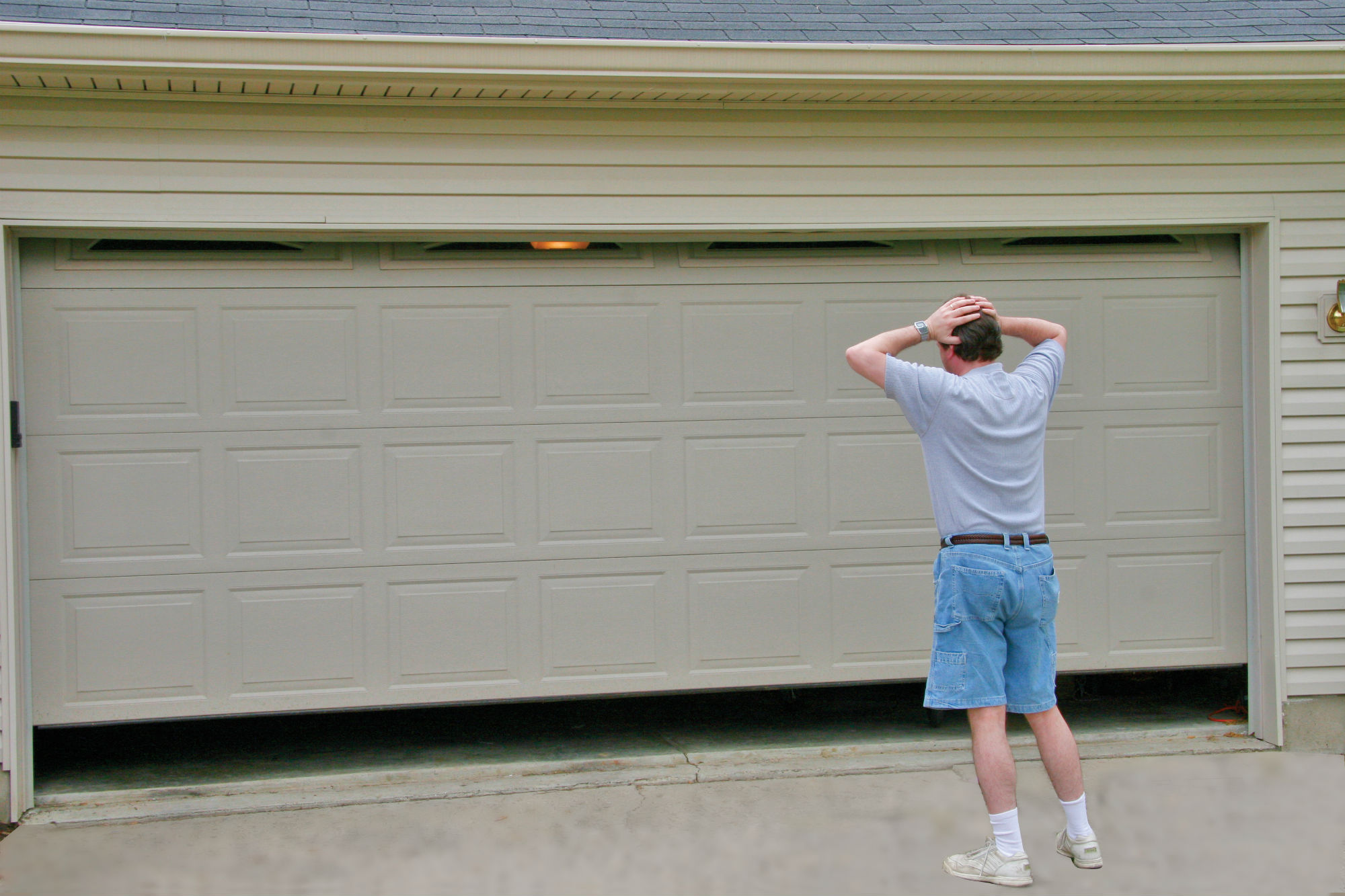

How Often Should You Have Your Garage Door Inspected?
Your garage door is one of the largest moving systems in your home, and you may use it several times every day without giving much thought to its condition. Over time, repeated opening and closing can cause components such as springs, rollers, cables, tracks, hinges, and safety sensors to wear down.
So, how often should you have your garage door inspected?
For most homeowners, a professional garage door inspection at least once a year is a practical maintenance schedule. Homes with frequently used garage doors, older equipment, or noticeable operating problems may benefit from inspections more often. Regular inspections can identify minor problems before they develop into expensive repairs or potentially dangerous failures.
For homeowners searching for a garage door repair company in Lake Elsinore CA, understanding what an inspection includes and when one is necessary can help you make better decisions about garage door maintenance.
Why Is Regular Garage Door Inspection Important?
A garage door contains numerous mechanical and electrical components that work together every time the door opens or closes. Springs counterbalance the door’s weight, rollers move along the tracks, cables support the lifting system, and the opener controls automatic operation.
Because these components experience repeated movement, normal wear and tear is unavoidable.
A professional inspection can help identify:
- Worn or damaged garage door springs
- Frayed or loose lifting cables
- Bent or misaligned tracks
- Worn rollers and hinges
- Loose hardware
- Problems with the garage door opener
- Malfunctioning safety sensors
- Excessive vibration or unusual movement
- Damaged weather seals
- Signs of corrosion or physical damage
Finding these issues early may allow you to address a small problem before it affects other components.
How Often Should a Garage Door Be Inspected?
Annual Inspection for Most Homes
For a typical residential garage door, scheduling a professional inspection once every 12 months is a reasonable maintenance approach.
An annual inspection gives a technician an opportunity to examine the major mechanical and safety components and determine whether anything requires adjustment, maintenance, or repair.
However, there is no universal inspection schedule that applies to every garage door. Usage, age, environment, and previous repairs can all affect maintenance needs.
Consider More Frequent Inspections for High-Use Doors
If your garage door opens and closes many times throughout the day, its components can experience more wear than those of a garage door that is used only occasionally.
More frequent inspections may be appropriate when:
- Several family members use the garage regularly
- The garage is used as the primary entrance to the home
- The door operates dozens of cycles each week
- The garage door is older
- The system has experienced repeated repairs
- The door has previously had spring or cable problems
A professional can help determine an appropriate maintenance interval based on the condition and usage of your system.
What Does a Garage Door Inspection Include?
A proper garage door inspection should go beyond simply opening and closing the door.
A qualified technician should examine the major components that affect the door’s operation, balance, durability, and safety.
Garage Door Springs
Springs are among the most important components of a garage door system. They help counterbalance the door’s weight so that the opener does not have to lift the entire load.
A technician can look for signs of spring wear, corrosion, deformation, or other visible problems.
Because garage door springs are under significant tension, homeowners should not attempt to remove or replace them themselves.
Cables and Hardware
Lifting cables and mounting hardware should be checked for visible wear, fraying, looseness, or damage.
Loose bolts, brackets, hinges, and other hardware can contribute to unusual movement and noise.
Tracks and Rollers
Garage door rollers should move smoothly along the tracks. Bent, damaged, or misaligned tracks can interfere with normal operation.
An inspection can identify:
- Track alignment problems
- Damaged rollers
- Excessive roller wear
- Obstructions
- Loose mounting hardware
Garage Door Opener
The opener should also be inspected as part of routine maintenance.
A technician may evaluate the opener’s operation, mounting, drive components, remote controls, and other relevant parts depending on the system.
If the opener struggles to move the door, reverses unexpectedly, makes unusual noises, or fails to respond consistently, professional evaluation is recommended.
Safety Sensors
Automatic garage doors use photoelectric safety sensors to help prevent the door from closing when an object or person is in its path.
Sensors should be properly aligned and functioning correctly. If the door does not respond appropriately during a safety test, professional attention may be necessary.
What Are the Signs Your Garage Door Needs an Inspection?
You do not always have to wait for your annual maintenance appointment. Certain warning signs indicate that your garage door should be evaluated sooner.
1. Unusual Noises
Grinding, scraping, popping, squeaking, or excessive rattling can indicate worn or loose components.
Some garage door noise is normal, but a noticeable change in the sound of your door should not be ignored.
2. Slow or Uneven Movement
A healthy garage door should generally move smoothly.
If one side rises faster than the other, the door shakes, or movement becomes unusually slow, there may be an issue with the springs, tracks, rollers, cables, or opener.
3. The Door Does Not Stay Open
If your garage door begins to fall or cannot remain fully open, it may have a problem with its counterbalance system.
This is a situation where professional inspection is especially important.
4. The Door Reverses Unexpectedly
A garage door that starts closing and then reverses without an obvious obstruction may have an issue involving the safety sensors, opener settings, or another component.
5. Visible Damage
Bent tracks, broken springs, damaged panels, loose cables, or other visible problems should be professionally assessed rather than ignored.
Can You Inspect Your Garage Door Yourself?
Homeowners can perform simple visual and operational checks between professional inspections.
For example, you can look for obvious damage, listen for unusual sounds, check whether the door moves smoothly, and make sure the safety sensors appear properly positioned.
However, a homeowner inspection is not a substitute for professional maintenance.
Garage doors can be heavy, and some components, particularly torsion and extension springs, store significant amounts of energy. Attempting to repair or adjust these components without the appropriate training and equipment can result in serious injury.
If you notice a broken spring, damaged cable, severe track problem, or another potentially hazardous issue, avoid attempting a DIY repair and contact a qualified garage door professional.
How Lake Elsinore Weather Can Affect Garage Doors
Local environmental conditions can also influence garage door maintenance.
Heat, sunlight, dust, moisture, and temperature changes can gradually affect certain materials and components. Weather seals may become brittle, metal parts can develop corrosion, and exterior surfaces may experience fading or deterioration over time.
Regular inspection provides an opportunity to identify these issues before they become more significant.
Homeowners can also help protect their garage door by keeping the area around the tracks clear, maintaining the exterior appropriately, and addressing visible deterioration promptly.
Garage Door Maintenance Tips Between Inspections
Professional inspections are important, but homeowners can also take simple steps to keep their garage door operating properly.
Keep Tracks Clear
Make sure debris, objects, and other obstructions are not interfering with the garage door tracks.
Do not attempt to bend or reposition tracks yourself if they appear damaged.
Listen for Changes
Pay attention to new noises or changes in the way your garage door operates.
A small change can sometimes be an early indication of component wear.
Keep the Door Clean
Cleaning the exterior and removing dirt from accessible areas can help maintain the appearance and condition of the system.
Test Safety Features
Follow the manufacturer’s instructions when checking the door’s safety features. If a safety sensor or reversing function does not work correctly, have the system professionally inspected.
Don’t Ignore Minor Problems
A garage door that still works does not necessarily mean that everything is operating correctly.
Addressing unusual noises, slow movement, or visible wear early may help prevent a more serious breakdown later.
When Should You Call a Garage Door Professional?
An inspection is particularly worthwhile when your garage door shows signs of mechanical or electrical problems.
Consider contacting a professional if:
- Your garage door will not open or close
- A spring has broken
- A cable appears damaged or detached
- The door is severely uneven
- The opener stops working
- Safety sensors are malfunctioning
- The door makes loud or unusual noises
- The door becomes difficult to lift
- The system repeatedly requires repairs
For local homeowners, working with an experienced garage door repair company in Lake Elsinore CA can provide access to professional troubleshooting and repair services when maintenance is no longer enough.
How Regular Inspections Can Help Extend Garage Door Life
No mechanical system lasts forever, but preventive maintenance can help you identify wear before it becomes a major failure.
A garage door inspection can help homeowners understand the condition of individual components and prioritize repairs when necessary.
Instead of waiting until the door stops working completely, regular inspections allow you to monitor:
- Spring condition
- Roller and hinge wear
- Cable condition
- Track alignment
- Opener performance
- Safety sensor operation
- Weather seal condition
- General door balance
This proactive approach can also make garage door maintenance more predictable and help homeowners avoid unexpected interruptions.
Choosing a Garage Door Repair Company in Lake Elsinore CA
When professional service is needed, choosing the right company matters.
Look for a garage door professional who can clearly explain the problem, identify the affected component, discuss available repair options, and provide transparent information about the work.
A reputable service provider should prioritize safety rather than recommending unnecessary replacements.
Canyon Lake Garage Door serves homeowners looking for professional garage door assistance in the local area. When your garage door develops an operational or safety issue, professional evaluation can help determine whether maintenance, adjustment, repair, or replacement is the most appropriate solution.
Frequently Asked Questions
1. How often should a residential garage door be professionally inspected?
For many homes, a professional inspection once a year is a practical maintenance schedule. However, high-use garage doors, older systems, and doors with recurring problems may require more frequent inspections.
2. What happens if I never inspect my garage door?
Without regular inspections, wear on springs, rollers, cables, tracks, and other components may go unnoticed. A small issue can eventually contribute to poor operation or a larger repair problem.
3. How do I know if my garage door springs need attention?
Common warning signs can include difficulty lifting the door, an uneven door, unusual noises, visible spring damage, or a door that will not stay open. Because springs are under high tension, they should be evaluated by a trained professional.
4. Should I lubricate my garage door myself?
Some accessible moving components may require periodic lubrication according to the manufacturer’s recommendations. However, using the wrong product or applying lubricant to components that should remain dry can cause problems. When in doubt, ask a garage door professional for guidance.
5. Is a noisy garage door always a sign of a serious problem?
Not necessarily. Some noise can occur during normal operation, but a sudden change in sound—such as grinding, popping, scraping, or excessive rattling—can indicate worn or loose components and should be evaluated.
6. When should I replace my garage door instead of repairing it?
Replacement may make more sense when a garage door has extensive structural damage, repeated major failures, outdated safety features, or repair costs that are no longer practical compared with the condition and expected remaining life of the system. A professional inspection can help you compare your options.
Keep Your Garage Door Safe and Reliable
Your garage door is used frequently and depends on multiple components working together safely. Annual professional inspections, combined with basic homeowner maintenance and prompt attention to warning signs, can help keep the system operating reliably.
If you notice unusual noises, uneven movement, damaged components, opener problems, or safety concerns, don’t wait for a complete breakdown.
For homeowners who need help from a garage door repair company in Lake Elsinore CA, contact Canyon Lake Garage Door to discuss your garage door’s condition and determine the appropriate next step. Professional evaluation can help identify the source of the problem and provide a practical solution before a minor issue becomes a major inconvenience.