
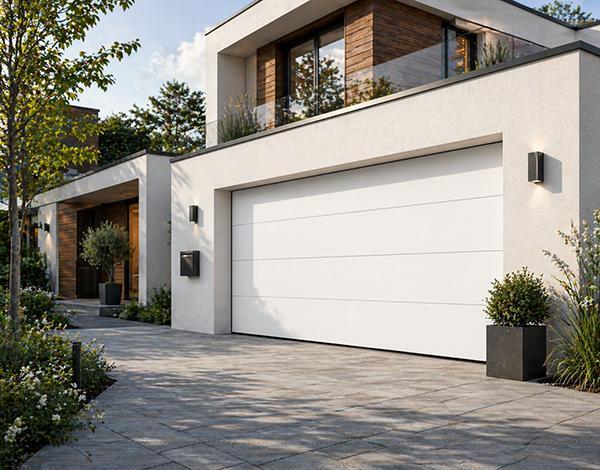

How to Choose the Right Garage Door Size and Style for Your Home
Planning a Garage Door Replacement is a great opportunity to improve your home’s appearance, security, and everyday convenience. However, choosing a new garage door involves more than picking a color or design. You also need to consider the correct size, material, insulation, and compatibility with your existing garage system.
For homeowners in Canyon Lake, Menifee, and Lake Elsinore, the right garage door can make a noticeable difference in both appearance and functionality.
In this guide, Canyon Lake Garage Doors INC explains how to select the right garage door size and style. Additionally, you’ll learn about different materials, important measurements, and what to consider before scheduling a professional installation.
What Should You Consider Before a Garage Door Replacement?
Before selecting a new garage door, consider your existing opening, home architecture, daily usage, and maintenance preferences. Ideally, your new door should fit the garage correctly, operate safely, and complement your home’s exterior.
Start by evaluating your current door. Look for visible damage, worn panels, rust, poor insulation, or unusual operating noise. Recurring mechanical problems may also indicate that a replacement is worth considering.
Before making a decision, ask yourself these four questions:
- Does the existing garage door need complete replacement or just a repair?
- Do you need the same door size or a custom configuration?
- Which material best matches your maintenance preferences and budget?
- Would additional insulation, windows, or modern features improve your garage?
By answering these questions first, you can compare available options more confidently and avoid unnecessary expenses.
How Do You Choose the Correct Garage Door Size?
Choosing the correct garage door size is essential for smooth operation and a proper fit. First, identify the width and height of the existing opening. Additionally, consider the clearance required for the tracks, springs, and opener system.
Most residential garages use standard door dimensions. However, older homes, custom properties, and garages designed for larger vehicles may require different measurements.
Common residential garage door sizes
The following table shows common starting points for residential garage door selection:
| Garage Door Type | Common Width | Common Height |
|---|---|---|
| Single garage door | 8 feet | 7 feet |
| Single garage door | 9 feet | 7 feet |
| Double garage door | 16 feet | 7 feet |
These are common configurations rather than measurements that apply to every property. For example, different manufacturers offer additional widths, heights, and custom-size options.
A homeowner with a two-car garage may prefer one 16-foot-wide double door. In contrast, another property may have two separate single garage door openings.
Important measurements before installation
Professional installers consider several measurements when selecting a replacement door:
- Opening width: Measure horizontally from one side of the finished garage opening to the other.
- Opening height: Measure vertically from the garage floor to the top of the opening.
- Sideroom: Check the available space on both sides of the opening for vertical tracks and related hardware.
- Headroom: Measure the clearance between the top of the opening and the ceiling or nearest obstruction.
- Backroom: Check the available depth inside the garage for horizontal tracks and the opener system.
These measurements work together. Therefore, a door that matches the opening width and height may still require different track arrangements or additional clearance.
Helpful tip: You can take preliminary measurements before requesting an estimate. However, let an experienced installer verify the opening and available clearances before ordering a replacement door. This can help prevent incorrect sizing and installation problems.
For additional guidance, see Clopay’s garage door measuring and installation guide.
Which Garage Door Style Is Best for Your Home?
The right garage door style should complement your home’s architecture while providing the functionality you need. Traditional, carriage-house, and modern designs are popular options, and each creates a different appearance.
1. Traditional raised-panel garage doors
Traditional garage doors are a practical choice for many residential properties. They commonly feature rectangular or square raised panels with simple decorative details.
This style works particularly well with classic suburban homes, brick exteriors, and properties with conventional architectural designs.
For a timeless appearance, homeowners often choose neutral colors such as white, beige, gray, or brown.
2. Carriage-house garage doors
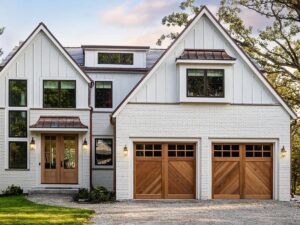
Carriage-house garage doors create the appearance of traditional barn-style or swing-out garage doors while typically operating as modern sectional doors.
These designs often feature decorative overlays, window inserts, wood-grain finishes, and decorative hardware.
As a result, they can complement traditional, farmhouse, and craftsman-inspired homes.
Canyon Lake Garage Doors INC also features a custom wood-grain carriage-house installation in its garage door installation portfolio. This is a useful design to explore when considering a more distinctive exterior appearance.
3. Modern garage doors
Modern garage doors usually feature clean lines, smooth surfaces, and minimal decorative details.
Popular options include:
- Flush-panel designs.
- Horizontal panel patterns.
- Black, charcoal, and other contemporary finishes.
- Aluminum and glass configurations.
- Narrow or full-width window designs.
These options are particularly suitable for contemporary homes with simple exterior lines and modern architectural features.
Before choosing a style, compare your home’s siding, roof, exterior trim, and windows. That way, your new garage door will look like a natural part of the property rather than a completely separate design.
Which Garage Door Material Should You Choose?
Garage door material affects durability, appearance, maintenance, and insulation options. Steel, natural wood, composite, and aluminum are common residential choices. Each material, however, offers different benefits.
| Material | Main Benefits | Things to Consider |
|---|---|---|
| Steel | Durable, practical, and relatively low maintenance | Can develop scratches or dents |
| Natural wood | Classic appearance and custom design options | Requires regular maintenance |
| Composite | Wood-inspired appearance with less maintenance | Construction and finishes vary |
| Aluminum and glass | Modern appearance and natural light | Consider glass privacy and insulation |
Steel garage doors
Steel is a popular choice for homeowners who want a durable and practical garage door. It is available in traditional and modern designs, along with different finishes and insulation configurations.
For homeowners seeking a balance between appearance, maintenance, and everyday functionality, steel is worth considering.
Wood garage doors
Natural wood creates a warm, distinctive appearance that can make a home stand out. Additionally, it offers plenty of design and finishing possibilities.
However, wood generally requires more regular care. Appropriate sealing, staining, or painting can help protect it from weather exposure.
Composite garage doors
Composite doors can provide a wood-inspired appearance without all the maintenance associated with natural wood. Depending on the product, they may also feature a composite exterior over an insulated steel base.
Consequently, they are worth considering when you like the appearance of wood but prefer a more manageable maintenance routine.
Aluminum and glass garage doors
Aluminum and glass doors provide a clean, modern look while introducing natural light into the garage.
Before selecting this option, consider privacy, glass type, and insulation requirements. These doors can be especially appealing for modern homes with large windows and open exterior designs.
For additional comparisons, explore Clopay’s residential garage door material guide.
Should You Choose an Insulated Garage Door?
An insulated garage door can be a worthwhile option if your garage is attached to your home, shares walls with living spaces, or serves as a workshop or regular activity area.
Insulation can help reduce temperature transfer and outside noise, depending on the door’s construction and installation.
When comparing insulated garage doors, consider these factors:
- R-value: This measures resistance to heat flow. Generally, a higher R-value indicates greater insulating performance.
- Door construction: Insulated steel doors may use multiple layers with insulation between them.
- Noise reduction: Some insulated door constructions can help reduce outside noise and vibration.
- Garage usage: Insulation may be more useful when the garage connects directly to frequently occupied rooms.
However, insulation is not equally important for every property. For example, if you have a detached garage used mainly for storage, a non-insulated option may meet your needs.
Therefore, ask about available insulation levels and compare individual door specifications before making a decision.
What Other Features Should You Consider When Choosing a New Garage Door?
Beyond size, material, and design, several smaller details can improve your new garage door’s appearance and usability.
- Color and finish: Choose a finish that complements your home’s exterior. While white and neutral shades create a classic appearance, black, charcoal, and wood-grain finishes can provide a more distinctive look.
- Windows: Window panels can introduce natural light into your garage and add visual interest. However, consider their placement and the amount of privacy you need.
- Decorative hardware: Handles and hinges can enhance carriage-house designs. On the other hand, simple hardware works particularly well with modern doors.
- Weather seals: Properly fitted perimeter and bottom seals help reduce gaps that allow dust, wind, and moisture to enter the garage.
- Garage door opener compatibility: Your opener must be suitable for the new door’s weight and configuration. Therefore, ask whether your existing opener can be retained or needs to be upgraded.
Additionally, if you live in a community with homeowners association design guidelines, check any restrictions on exterior colors or garage door styles before ordering your new door.

Why Choose Professional Garage Door Installation?
Professional installation helps ensure that the selected garage door fits the opening and works correctly with its tracks, springs, rollers, and opener.
Garage doors are heavy mechanical systems. In particular, their springs and cables operate under substantial tension. For this reason, installation and adjustment can be dangerous without the correct equipment and experience.
Canyon Lake Garage Doors INC provides residential garage door installation and replacement services for homeowners in Canyon Lake, Menifee, Lake Elsinore, and surrounding communities.
The company’s installation service includes:
- Professional measurements and site evaluation.
- Removal of the existing garage door and hardware.
- Installation of traditional, modern, and carriage-house designs.
- Alignment of tracks, rollers, springs, and seals.
- Opener setup, programming, and safety testing.
Furthermore, the company’s installation portfolio features modern insulated steel doors and custom wood-grain carriage-house upgrades.
You can explore its residential garage door installation services to learn more about the available options.
Frequently Asked Questions About Garage Door Replacement
What is the most common residential garage door size?
A common single residential garage door is 8 or 9 feet wide and 7 feet high. Meanwhile, a standard double garage door is often 16 feet wide and 7 feet high. However, actual dimensions depend on the garage opening, property design, and manufacturer specifications.
Can I replace my garage door with a different size?
Yes, but changing the door size may require modifications to the garage opening, framing, tracks, and surrounding structure. Therefore, a professional inspection can help determine whether the existing opening can accommodate a larger or smaller door.
Which garage door material lasts the longest?
Lifespan depends on the product’s construction, installation quality, maintenance, and exposure to the elements. Steel is a popular low-maintenance option, while natural wood requires more regular care. For the best comparison, review manufacturer specifications and warranties before selecting a material.
Is an insulated garage door worth it in California?
It can be worthwhile, especially for attached garages or garages connected to living spaces. Additionally, insulation may help moderate temperature changes and reduce noise. Whether it justifies the additional cost depends on how you use your garage and the door’s specifications.
Should I replace my garage door opener when replacing the door?
Not necessarily. Your existing opener may be compatible with the new garage door, but its condition, capacity, and safety features should be inspected. Ask your installer to verify compatibility and test the complete system after installation.
How long does garage door replacement take?
The time required depends on the door size, installation conditions, and whether additional hardware or opener work is needed. A straightforward replacement may take several hours. However, custom installations or structural modifications can require more time. Your installer can provide a more accurate schedule after inspection.
Upgrade Your Home with the Right Garage Door
Choosing a new garage door involves finding the right balance between size, style, material, insulation, and everyday functionality. A properly selected door can improve your home’s exterior appearance while providing convenient and reliable operation.
Whether you prefer a traditional raised-panel design, a custom carriage-house door, or a modern insulated steel option, professional measurements and installation are important for getting the right fit.
Canyon Lake Garage Doors INC helps homeowners in Canyon Lake, Menifee, and Lake Elsinore explore garage door repair, replacement, and installation options.
Ready to upgrade your garage door? Contact Canyon Lake Garage Doors INC at (951) 821-8410 to discuss your requirements and request a free estimate.

